Introduction
When it pertains to supplying look after individuals dealing with intricate digestive tract problems, the role of carers can be both difficult and satisfying. These conditions frequently call for specialized interest, expertise, and abilities that exceed conventional caregiving techniques. In this post, we will explore different elements of taking care of people with complicated digestive tract concerns, especially focusing on stoma care and digestive tract monitoring approaches. We'll also discuss important training programs like ndis complex bowel care training and stoma care training for carers, which outfit caregivers with the necessary abilities to supply effective support.
By customizing your strategy based on the specific requirements of patients, you can substantially boost their quality of life while guaranteeing they obtain the most effective possible treatment. Let's dive deeper into the nuances of this critical field.
Complex Digestive tract Problems: Customizing Your Method as a Carer
Caring for somebody with complicated bowel problems requires an understanding of different medical terminologies and procedures. It is not simply about altering bags or taking care of diets; it entails a holistic strategy that considers psychological support, lifestyle adjustments, and sensible skills.
Understanding Complex Digestive tract Conditions
What Are Facility Bowel Conditions?
Complex digestive tract conditions refer to a range of food poisonings that might call for specific care because of their persistent nature or issues. This can consist of inflammatory bowel illness (IBD), cranky bowel syndrome (IBS), and problems requiring ostomy procedures.
Common Sorts of Complicated Digestive Tract Conditions
- Inflammatory Bowel Illness (IBD) Irritable Bowel Disorder (IBS) Diverticulitis Colorectal Cancer
Each condition offers distinct difficulties requiring customized techniques to caregiving.
The Significance of Specialized Training in Digestive Tract Care
Why Is Educating Important for Carers?
Training gives carers with the expertise stoma care training for carers and skills needed to handle complicated bowel problems efficiently. Programs such as the complex digestive tract care course are essential in ensuring that caretakers recognize the complexities associated with person care.
Types of Training Available
NDIS Complex Bowel Care Training
This program concentrates on the National Disability Insurance Coverage Plan (NDIS) structure, aiding carers supply tailored support straightened with Australian standards.
Stoma Treatment Training for Carers
This customized training shows caregivers how to take care of ostomies efficiently, consisting of bag adjustments, skin defense, and psychological support.
Bowel Care Administration Courses

What Is a Stoma? Understanding Ostomy Care
Defining Trick Terms: What Is a Stoma?
A stoma is an opening developed surgically on the abdomen that permits waste to leave the body when normal elimination with the rectum is not feasible as a result of medical problems or medical interventions.
What Is an Ostomy?
An ostomy is a wider term referring to any type of operation that creates an opening from a location inside the body to the exterior. Stomas can be short-lived or irreversible based on specific wellness needs.
Caring for an Ostomy: A Practical Guide
Essential Skills for Stoma Care Management
Changing Ostomy Bags
Recognizing how to transform an ostomy bag properly is critical for protecting against leaks and skin irritation.
Skin Care Protocols
Shielding the skin around the stoma from inflammation is essential; this consists of making use of obstacle creams and effectively fitting appliances.
Dietary Considerations
Particular foods could influence stool consistency or smell; understanding these nutritional limitations can dramatically improve comfort.
Emotional Assistance: The Human Component in Facility Digestive Tract Care
The Psychological Influence of Persistent Conditions
Patients coping with intricate digestive tract problems often experience stress and anxiety or anxiety due to their circumstances. As a carer, giving emotional support is equally as important as physical assistance.
How Can Carers Give Psychological Support?
- Active listening Encouraging open communication concerning feelings Providing peace of mind about problems related to their condition
Practical Tips for Daily Monitoring of Intricate Digestive Tract Conditions
1. Establishing Routines
Creating regular regimens can help clients feel even more secure in their lives. Regular times for dishes and bag changes can reduce anxiety associated with unpredictability.
2. Keeping an eye on Symptoms
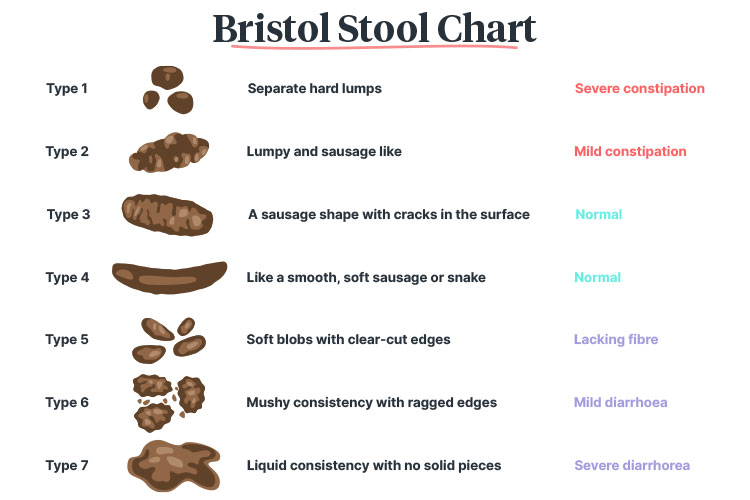
Keeping track of signs such as changes in stool consistency or stomach discomfort can provide valuable understandings into what works well in regards to diet and monitoring strategies.
FAQ Section
1. What qualifications ought to I look for in a carer?
Look for accreditations in locations like NDIS complex bowel care training or stoma care training; sensible experience is additionally invaluable.
2. How usually ought to ostomy bags be changed?
Typically every 3-7 days yet need to be evaluated on a regular basis based upon individual needs.
3. Can diet impact my condition?
Yes! Specific foods may worsen signs; maintaining a food journal can help determine triggers.
4. What sources are available for recurring education?
Numerous online training courses offer knowledge in areas like complex bowel care management and stoma care training.
5. Exactly how do I deal with emergency situations connected to bowels?
Always have a plan prepared; comprehending emergency procedures described throughout your training will certainly aid you respond properly when needed.
6. Exist neighborhood resources available?
Many organizations use support system where clients and family members can connect with others dealing with similar challenges.
Conclusion
Navigating complex digestive tract problems needs both technical competence and compassionate caregiving skills. By spending time in specialized training such as NDIS complex bowel care training or stoma care training courses, you furnish yourself with necessary tools that enable you to offer top notch assistance customized particularly per person's needs.
Ultimately, your function transcends formalities; it has to do with constructing trustful relationships where people really feel seen, listened to, and took care of holistically-- physically, emotionally, and psychologically. As you start this journey as a carer, bear in mind that every tiny act adds significantly towards boosting a person's quality of life in the middle of their have problem with complex digestive tract conditions.
This write-up serves as both a useful overview and a clever tool developed specifically for those crazy about grasping the art of caring within this customized domain-- Intricate Bowel Conditions: Customizing Your Approach as a Carer!